

Celebrating Ramadan in Morocco: A Culinary Journey of Tradition and Flavor
Ramadan in Morocco is a deeply spiritual and culturally rich experience, transforming daily life into a rhythm of devotion, community, and, notably, incredible food. As the sun sets, families gather for Iftar, the breaking of the fast, a meal that is as much about tradition as it is about sustenance. The tables are laden with an array of dishes, each playing a vital role in replenishing energy and reinforcing familial bonds. From savory to sweet, the Moroccan Ramadan table is a testament to the country's rich culinary heritage, carefully prepared and shared with love.
At the heart of every Moroccan Iftar is the iconic Harira. This hearty and flavorful tomato-based soup, rich with lentils, chickpeas, and often a touch of meat, is more than just a dish; it's a comforting embrace after a day of fasting. Served steaming hot, it's often the first item consumed, warming the soul and preparing the body for the feast to come. Alongside Harira, dates are essential, following the Prophetic tradition of breaking the fast with this sweet fruit. These two items alone represent the core of a Moroccan Ramadan meal.
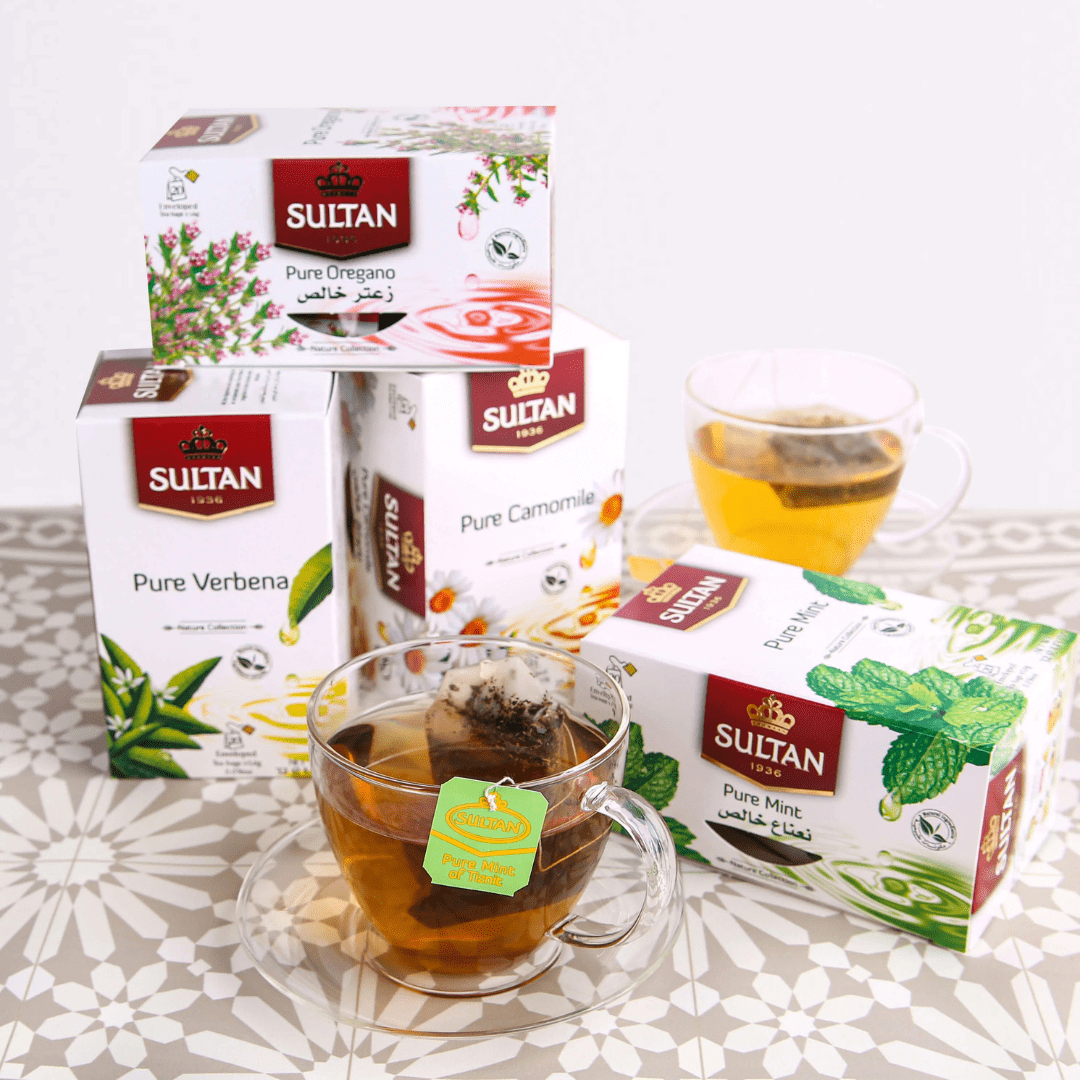
Beyond the essentials, the Moroccan Ramadan table truly shines with its variety of delectable treats. Small pastries like Chebakia—honey-drenched, sesame-laced fried dough—and Sellou (or Sfouf), a nutritious and energizing blend of roasted flour, nuts, and honey, are ubiquitous. These sweets provide a much-needed energy boost and are perfect for enjoying with a glass of traditional Moroccan mint tea. You'll also find an assortment of savory additions, from small fried parcels like Briouats filled with cheese or meat, to various breads and msemen, making for a truly diverse spread.
For those looking to embrace the full Moroccan culinary experience during Ramadan, sourcing authentic ingredients and traditional attire can elevate the celebration. Websites like kenzadi.com offer a range of Moroccan products, from handcrafted items that can adorn your home during this blessed month to traditional garments that reflect the elegance and spirituality of the season. Exploring their collection can help you bring a piece of Moroccan tradition right into your home, enhancing your Ramadan preparations and celebrations.