Skip to content

Available 24/7 at

+1 813-666-0750

Cart
0 items

Infos

Comparative Analysis of Sultan Tea and Dahmiss Tea

by Artossi Contact 28 Dec 2025
Introduction to Moroccan Tea CultureMoroccan tea, known as atay or thé à la menthe, is far more than a simple beverage—it's a cornerstone of hospitality, social life, and national identity. Introduced to Morocco in the 18th-19th centuries (largely via British trade routes), green tea from China quickly became the base for the iconic sweet, mint-infused drink served in ornate silver teapots and poured from great heights to create a frothy head. Today, Morocco is the world's largest importer of green tea (primarily Chinese gunpowder or chunmee varieties), consuming around 2 kg per person annually. With over 400 brands on the market, competition is fierce, but a few stand out as true icons. Among them, Sultan Tea and Dahmiss Tea represent two pillars of Moroccan tea heritage: one a modern market leader with global ambitions, the other a respected traditional favorite, especially in the south.Both brands import premium Chinese green tea leaves, blend them according to regional Moroccan recipes, and emphasize quality, aroma, and authenticity. Let's dive into a detailed comparison.Brand Histories and BackgroundsSultan Tea (founded as Al Arche in 1936 by Hadj Hassan Raji) is a family-owned pioneer that evolved into Morocco's benchmark brand. After liberalization in the 1990s, it was relaunched under the Damandis Group (now part of Mido Food) and has grown into the market leader with around 30% share in some periods. With over 85 years of expertise, Sultan operates one of the world's largest green tea factories, producing thousands of tons annually. It emphasizes innovation, blending traditional recipes with modern wellness-focused lines (herbal infusions, health teas).Dahmiss Tea (established around 1958, under the Somathes group—now part of Holmarcom) is a venerable name synonymous with high-quality, traditional Moroccan tea. The name "Dahmiss" evokes "twilight" in Hassani dialect, reflecting its deep roots in southern Moroccan culture. Known for its fine, twisted filaments, Dahmiss has long been a staple in households and gained renewed attention in recent years (e.g., through sports sponsorships). It's prized for purity and is often associated with premium codes like 41022, indicating top-tier leaf quality.Both brands trace their success to Morocco's massive imports of Chinese green tea (gunpowder and chunmee types), which they carefully select, blend, and package locally.Product Range and Key Offerings
Aspect
Sultan Tea
Dahmiss Tea
Core Base
Chinese green tea (gunpowder, chunmee, filaments)
Chinese green tea (premium filaments, e.g., 41022)
Signature Products
Moroccan mint tea, flavored blends (orange blossom, verbena, caraway), herbal wellness lines, black teas
Classic green tea for mint infusion, premium loose leaf (fine twisted filaments), traditional blends
Innovations
300+ blends, tea bags, health-focused (nature/herbal), export-oriented packaging
Focus on authenticity and purity; less diversification but strong regional loyalty
Popular Codes
4011 (premium loose), various flavored options
41022 (high-end, clean leaves, favored in south)
Sultan offers broader variety, appealing to younger consumers and international markets with modern twists. Dahmiss sticks closer to tradition, excelling in the pure, robust base ideal for classic atay.Quality, Taste, and Consumer PreferencesBoth use high-grade Chinese imports, but differences shine in preparation and perception:
  • Sultan is often praised for consistent quality, refined blends, and a "noble" taste—smooth, aromatic, and balanced. It's frequently chosen for ceremonies, hosting, and gifting due to its prestige and marketing. Many consider it higher-end for everyday premium use.
  • Dahmiss stands out for its fine, twisted leaves (especially 41022 grade), delivering a potent, clean infusion with strong flavor—ideal for those who prefer a more intense, traditional mint tea. It's especially beloved in southern provinces for its authenticity and depth.
In community discussions (e.g., on Moroccan forums), preferences vary: Sultan wins for innovation and youth appeal, while Dahmiss is lauded for "pure" quality and southern heritage. Premium codes like 41022 (Dahmiss) or 4011 (Sultan) indicate top filtration (clean leaves, fewer crumbs).Both are halal, natural, and pair perfectly with fresh mint, sugar, and the classic Moroccan pouring ritual.Market Position, Popularity, and AvailabilitySultan dominates nationally, often ranking as a top-of-mind brand (especially among younger demographics) thanks to heavy advertising, digital presence, and exports (available worldwide via sites like sultantea.com). Dahmiss holds strong regional loyalty (southern Morocco) and is seen as a reliable, time-tested choice—more understated but deeply respected.Both are widely available in Moroccan souks, supermarkets, and online (Amazon, eBay for exports).Conclusion: Which One is "Finest"?There is no absolute winner—it depends on your taste and occasion:
  • Choose Sultan Tea for versatility, innovation, and a refined, modern Moroccan experience (perfect for global palates or wellness seekers).
  • Opt for Dahmiss Tea if you crave authentic, intense traditional flavor with a nod to southern heritage (ideal for purists brewing classic atay).
Ultimately, both embody the spirit of Moroccan hospitality: generous, aromatic, and shared. The true "finest" is the one poured with love in good company. Try both—brew a pot of each with fresh naâ naâ (spearmint), sugar to taste, and discover your personal favorite. After all, in Morocco, tea is never just tea—it's a ritual of welcome.

Moroccan Olive Oil

Prev post
Next post

Thanks for subscribing!

This email has been registered!
Shop the look

Choose options

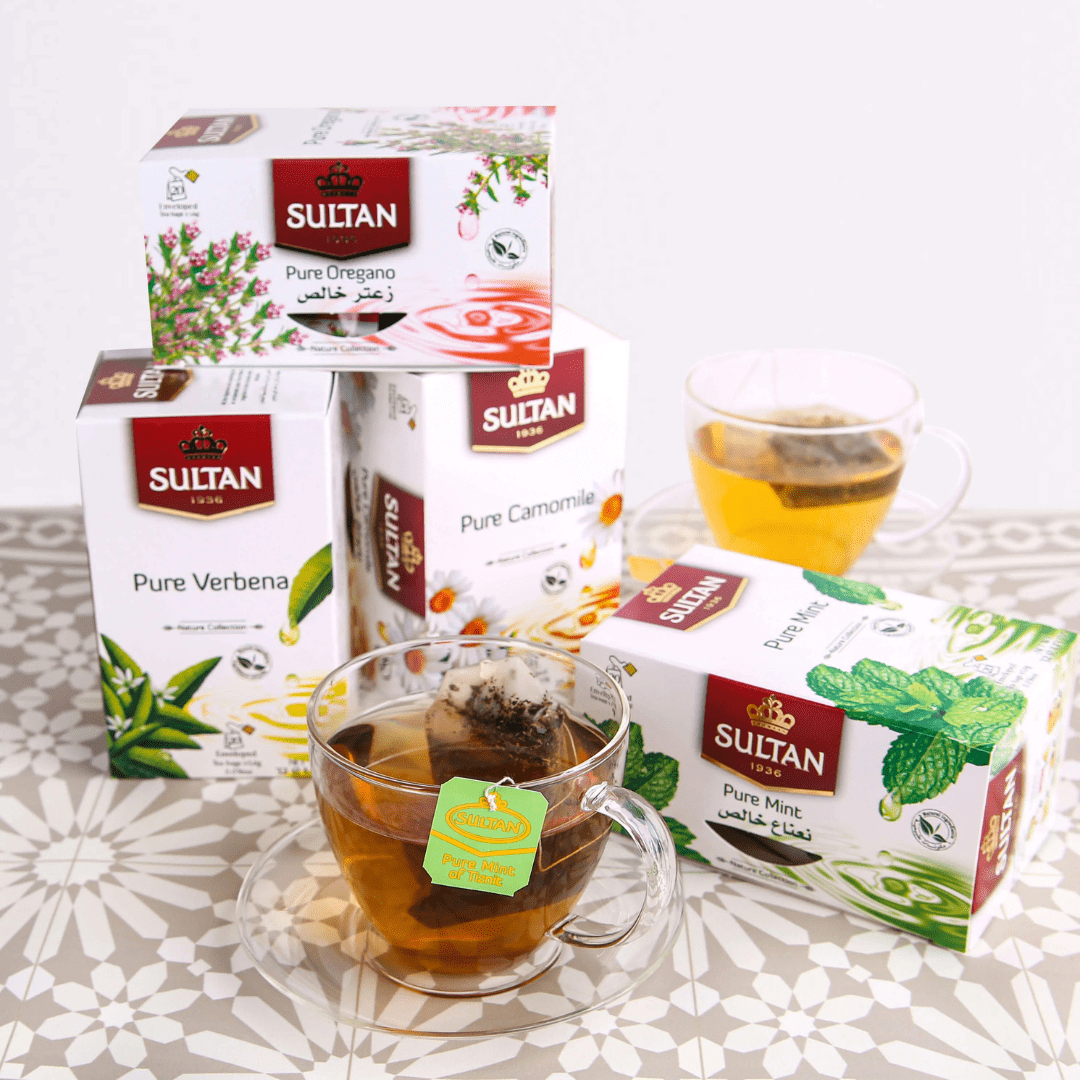
Sultan Pure Camomile Tea - 20 Tea Bags - Handmade by My Poufs
Sign Up for exclusive updates, new arrivals & insider only discounts

Recently viewed

Edit option
Have Questions?
Back In Stock Notification
Terms & conditions
What is Lorem Ipsum? Lorem Ipsum is simply dummy text of the printing and typesetting industry. Lorem Ipsum has been the industry's standard dummy text ever since the 1500s, when an unknown printer took a galley of type and scrambled it to make a type specimen book. It has survived not only five centuries, but also the leap into electronic typesetting, remaining essentially unchanged. It was popularised in the 1960s with the release of Letraset sheets containing Lorem Ipsum passages, and more recently with desktop publishing software like Aldus PageMaker including versions of Lorem Ipsum. Why do we use it? It is a long established fact that a reader will be distracted by the readable content of a page when looking at its layout. The point of using Lorem Ipsum is that it has a more-or-less normal distribution of letters, as opposed to using 'Content here, content here', making it look like readable English. Many desktop publishing packages and web page editors now use Lorem Ipsum as their default model text, and a search for 'lorem ipsum' will uncover many web sites still in their infancy. Various versions have evolved over the years, sometimes by accident, sometimes on purpose (injected humour and the like).
this is just a warning
Login
Shopping cart
0 items